Activation Chains in Digital Gaming: Tracing Free Play to Cross-Vertical Multiplier Triggers
Drew Müller · Aug 10, 2026
Activation Chains in Digital Gaming: Tracing Free Play to Cross-Vertical Multiplier Triggers
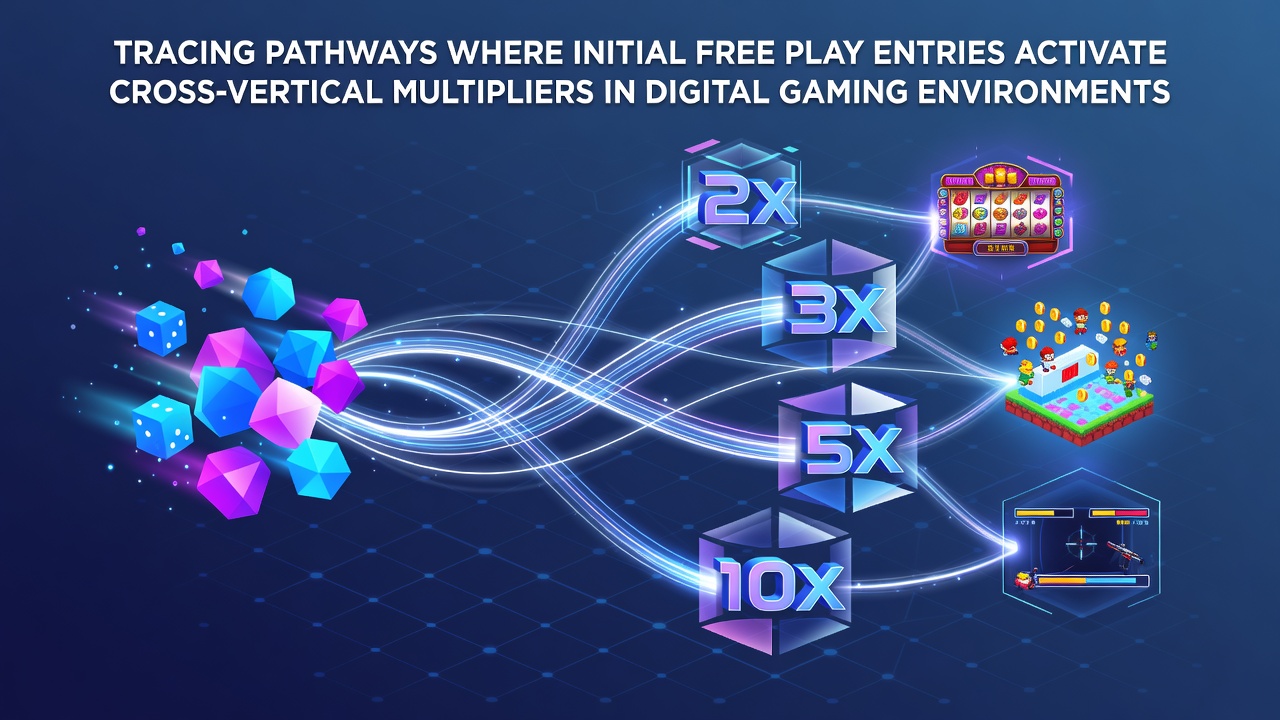
Digital gaming platforms organize free play entries as entry points that feed into layered multiplier systems spanning multiple verticals, and these sequences follow defined technical pathways that connect initial triggers to broader reward escalations. Operators design these structures so that a starting free spin or no-deposit credit in one section activates coefficient adjustments in others, such as when slot activity influences live dealer payouts or sports wager returns.
Core Mechanics of Cross-Vertical Activation
Systems track user actions through centralized ledgers that log free play redemptions and then apply rulesets to propagate effects, while data from one vertical updates shared multiplier pools used by others. For instance, completion of a set number of free spins registers as a qualifying event that raises base multipliers available in sports betting sections, and the same ledger entry may simultaneously boost table game return rates during live sessions. Researchers at the University of Nevada Reno documented similar propagation patterns in platform architectures during 2025 platform audits, noting that these connections rely on real-time API handshakes between game servers.
Initial entries often carry time-bound or volume-based conditions, and once met they unlock coefficient increases that persist across sessions until reset thresholds are reached. Observers note that platforms in regulated markets including those overseen by the Nevada Gaming Control Board maintain audit trails for these events to ensure compliance with payout reporting standards. And data from the Australian Communications and Media Authority shows that cross-vertical triggers account for measurable portions of player engagement metrics in multi-product environments during 2026.
Pathway Examples Across Common Verticals
One documented sequence begins with free slot credits that accumulate spin counts until a threshold releases an accumulator bonus, and this bonus then transfers as an elevated stake multiplier for upcoming sports wagers on the same account. Another route starts with free play in virtual table games that generates loyalty points redeemable as live dealer speed bonuses, which in turn feed into accumulator surge features during sports events. These chains operate through backend tagging systems that flag qualifying transactions and apply adjustments without requiring separate user actions.
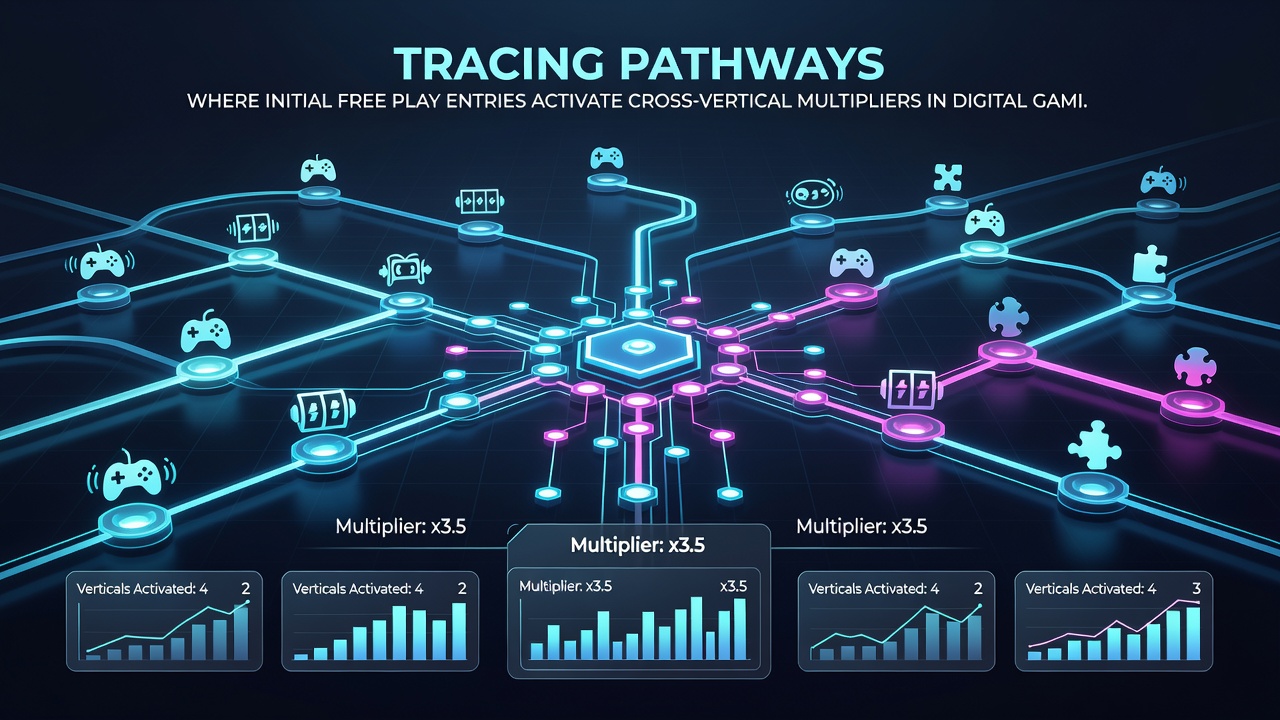
August 2026 brought updates to several platform providers that refined these pathways to include additional verticals such as virtual sports and instant-win formats, with integration testing reported by operators in multiple jurisdictions. Figures from industry reports indicate that such refinements correlate with higher retention rates when multipliers activate within short time windows after the initial entry.
Technical and Regulatory Considerations
Backend configurations use event listeners that monitor free play redemptions and push updates to multiplier engines shared across modules, while encryption standards protect the integrity of these data flows. Regulatory frameworks in places like the New Jersey Division of Gaming Enforcement require clear disclosure of how initial entries influence later outcomes, and similar expectations appear in Canadian provincial guidelines. Those who've examined platform codebases observe that the absence of isolated vertical silos allows for efficient propagation but demands robust logging to support dispute resolution.
Studies from the European Gaming and Betting Association highlight that cross-vertical systems reduce fragmentation in player journeys, and operators implement progressive reset timers to balance activation frequency with platform economics. What's significant is that these mechanisms appear consistently across both land-based connected apps and fully online environments, with variations mainly in the scale of multiplier carry-over.
Conclusion
Tracing these activation pathways reveals structured sequences where free play serves as the catalyst for multiplier effects that span slots, live tables, and sports products within unified digital ecosystems. Technical implementations rely on shared ledgers and API connections, while regulatory oversight ensures transparency around the resulting adjustments. Data from multiple jurisdictions continues to track how these designs evolve, particularly with platform updates noted through August 2026.